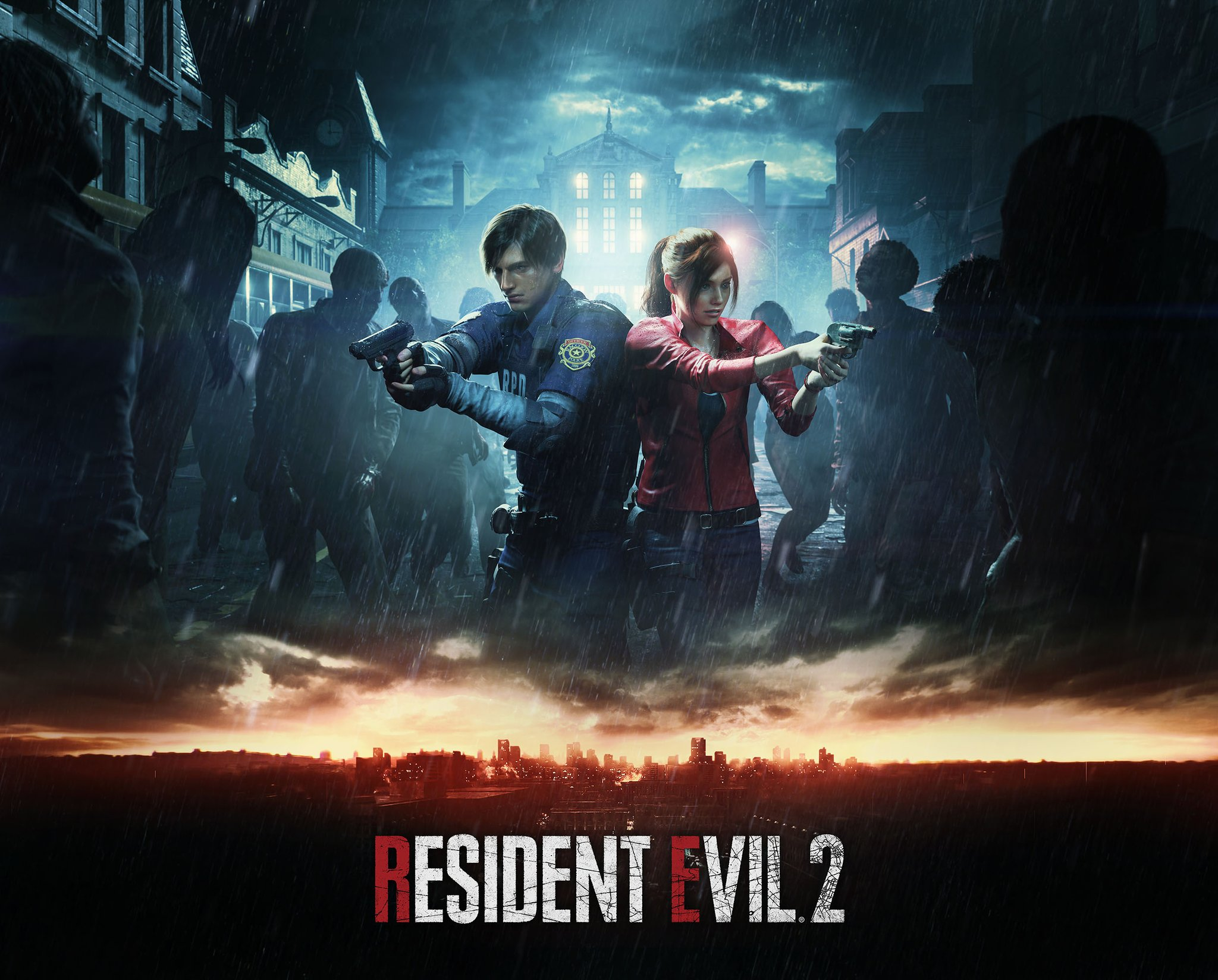
By 2019, Capcom’s flagship horror franchise was at a fascinating crossroads. For years, Resident Evil had wrestled with its own identity—oscillating wildly from the tense, claustrophobic survival horror of its 1998 origins into the full-blown, blockbuster action set-pieces of RE5 and RE6. While Resident Evil 7: Biohazard successfully steered the ship back toward pure dread via a first-person perspective, fans still wondered if Capcom could capture the magic of the golden era using modern design philosophies.
The Resident Evil 2 Remake didn’t just answer that question; it obliterated expectations, delivering a masterclass in tension, atmosphere, and game design that permanently redefined what a remake could be.
Anatomy of a Nightmare: The Gameplay Loop
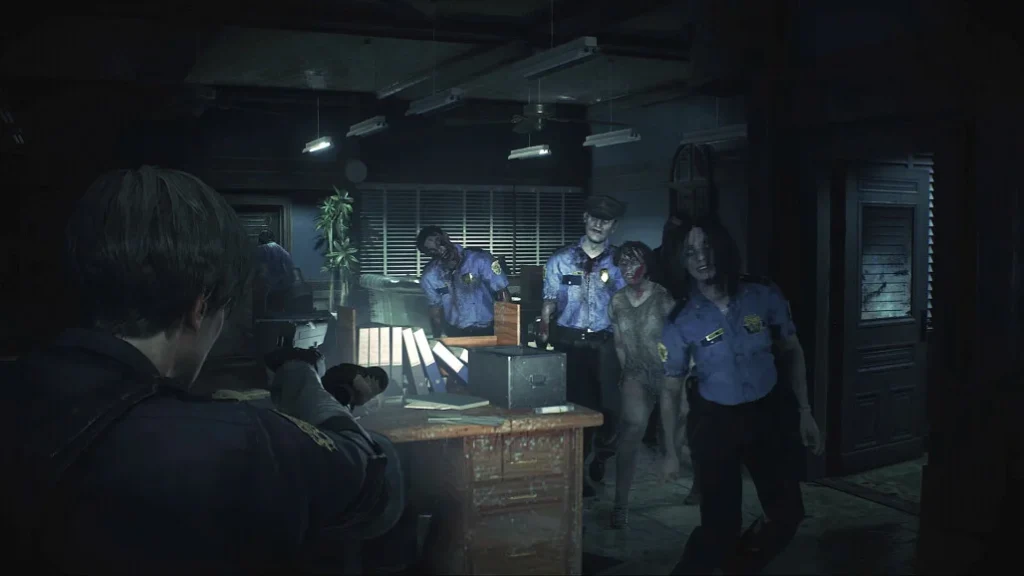
Stepping into the shoes of rookie cop Leon S. Kennedy or college student Claire Redfield outside the ruined R.P.D. station immediately establishes the tone. Capcom completely scrapped the tank controls and fixed camera angles of 1998, trading them for a tight, over-the-shoulder perspective powered by the RE Engine.
Yet, this isn’t an action game disguised as horror. Every mechanic reinforces vulnerability:
- The Weight of Combat: Zombies are no longer simple target practice. They absorb staggering amounts of punishment, twitching, rising back up, and requiring deliberate headshots or knee-shattering shotgun blasts to manage. Ammunition is perpetually scarce.
- Inventory Agony: The iconic, agonizing management of hip pouches and limited slots returns with a vengeance. Every item pulled from a desk drawer forces a hard tactical choice: do I carry an extra herb, a green grenade, or leave it behind to make room for key items?
- The Sound Design: Dripping pipes, distant groans, and the heavy, metallic stomp of the Tyrant echoing through the precinct ceilings create an oppressive audio landscape that keeps your nerves permanently frayed.
Where It Fits in the Franchise Timeline
Chronologically and culturally, Resident Evil 2 anchors the entire mythos of the series. Taking place just two months after the Mansion Incident of the first game, it exposes the rot of Umbrella Corporation bleeding out from hidden laboratory deep cuts directly into the heart of a major American city.
Within the grand timeline of the series, RE2 occupies a pivotal transitional space:
- The Classic Era Foundation: It honors the blueprint laid down in 1996, proving that tight resource loops and labyrinthine key-card backtracking are timeless.
- The Catalyst for Lore: It introduces Ada Wong, Sherry Birkin, and cements Leon’s trajectory from a naive rookie into a hardened government operative—a transformation that heavily shapes Resident Evil 4.
- The Gold Standard for Remakes: By successfully modernizing RE2, Capcom unlocked a formula that would later inform the stellar reimagining of Resident Evil 4, proving that historical reverence and modern gameplay mechanics can coexist seamlessly.
The Resident Evil 2 Remake succeeds because it understands that true survival horror isn’t about how many enemies you can kill; it’s about how well you manage your terror when the odds are stacked impossibly against you. It respects its heritage while standing tall as one of the finest horror experiences of the modern era.
Score: 9.5 / 10